1
Key Concepts
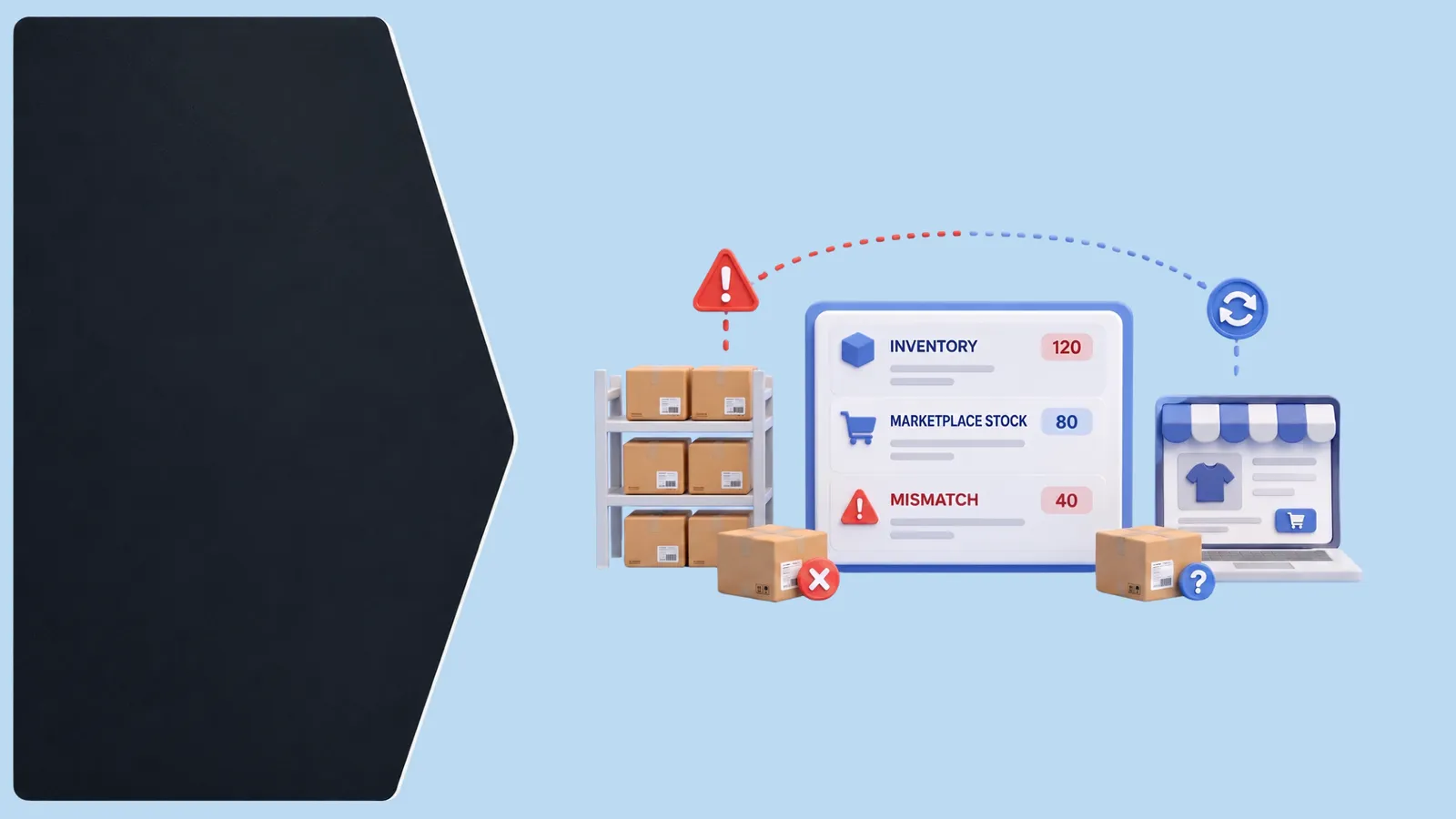
The most common delay causes, in order of frequency: order confirmation lag (an order sits unconfirmed longer than the marketplace SLA allows), inventory mismatch (stock shown as available isn't actually on the shelf), label generation bottlenecks (manual label creation during high-volume periods), and courier handoff delays (orders ready but not picked up on schedule). Each of these is individually small but compounds — a 2-hour confirmation delay plus a mispicked item plus a missed courier pickup window easily becomes a 2-day delay.
2
Best Practices
Confirm orders on a fixed, frequent schedule (ideally automated) rather than reactively, since confirmation lag is usually the first domino. Cross-check available stock against physical stock regularly, not just when a mismatch causes a problem. Batch label generation during predictable high-volume windows (post-sale-event, post-marketing-push) rather than processing labels one at a time as orders trickle in.
3
Implementation
Track your last 20 delayed orders and note where in the process each one actually broke down — confirmation, inventory, labeling, or courier handoff. This usually reveals one specific stage causing the majority of delays, rather than delays being evenly spread across all four causes. From there, automating that specific stage (most commonly order confirmation or label generation) removes the biggest single source of delay.
Pro Tip
Delays are rarely one big failure — they're usually 3-4 small gaps stacking together. Fixing the first gap in the chain (usually order confirmation) often prevents the rest from compounding.

Key Takeaways
- Order confirmation lag is usually the first and most common delay cause
- Cross-check available vs. physical stock regularly, not just after a mismatch occurs
- Batch label generation during predictable high-volume windows
- Track where delays actually originate before assuming the cause
- Automating the earliest-stage bottleneck often prevents delays from compounding further