1
Key Concepts
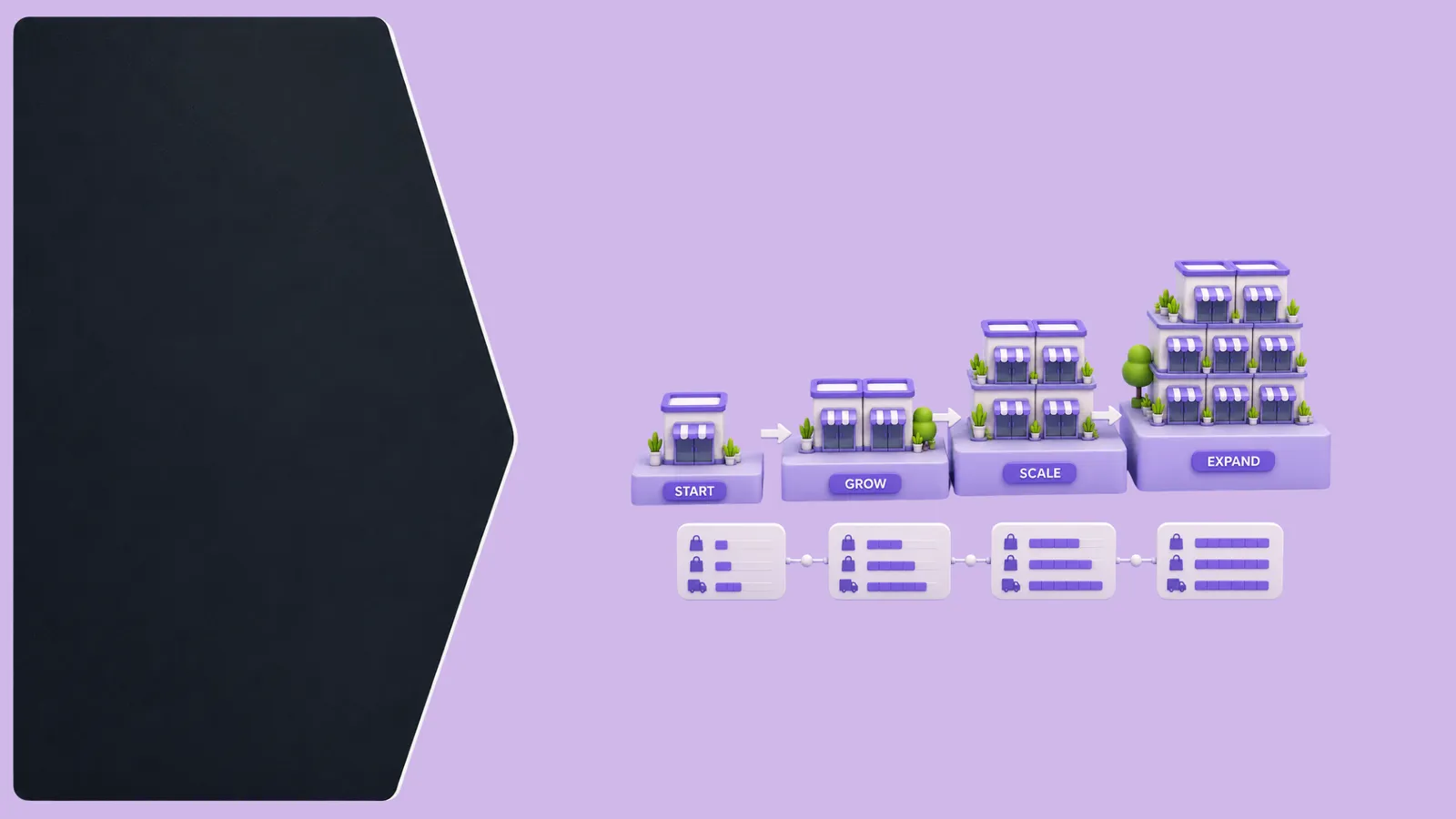
The jump from a founder-run operation to a scaled D2C brand usually breaks at a predictable point: when order volume exceeds what one or two people can manually track in a spreadsheet. Before that point, manual processes feel efficient because overhead is low. Past it, the same manual processes cause missed orders, inventory errors, and customer service backlogs — not because the team got worse, but because the volume outgrew the process.
2
Best Practices
Identify your own "breaking point" order volume — the number at which manual tracking started causing visible errors — rather than waiting to hit it before planning for it. Separate operational roles (fulfillment, customer service, inventory) even if one person currently wears multiple hats, so responsibilities are clear as you hire. Automate the parts of fulfillment that don't need human judgment (label generation, order confirmation, low-stock alerts) well before volume forces the issue.
3
Implementation
Look at your order volume trend over the last 6 months and estimate when you'll cross 500 and 2,000 monthly orders at current growth rate — these are the thresholds where most D2C brands report operational strain. Before reaching them, put inventory sync and order automation in place so the transition doesn't create a customer-facing backlog.
Pro Tip
The brands that scale smoothly aren't the ones with the most funding — they're the ones who automated order and inventory processes before volume forced an emergency fix.
Key Takeaways
- Most operational breakdowns happen between 500 and 2,000 monthly orders
- Identify your own breaking-point volume rather than waiting to hit it
- Separate operational roles early, even if one person covers multiple for now
- Automate label generation, order confirmation, and stock alerts before they become urgent
- Plan for scale based on your actual growth trend, not current volume alone