Introduction: Handling 1000+ Orders Per Day
Learning how to handle 1000+ orders per day starts with more than adding people to a busy process. At this volume, ecommerce businesses need dependable order visibility, accurate inventory, clear fulfillment stages, and consistent ways to handle exceptions.
The right operating model depends on product type, channel mix, warehouse setup, and fulfillment complexity. Automation and workflow improvements can help operations scale, while staffing needs should be assessed against the actual work and service requirements.
The Scaling Problem
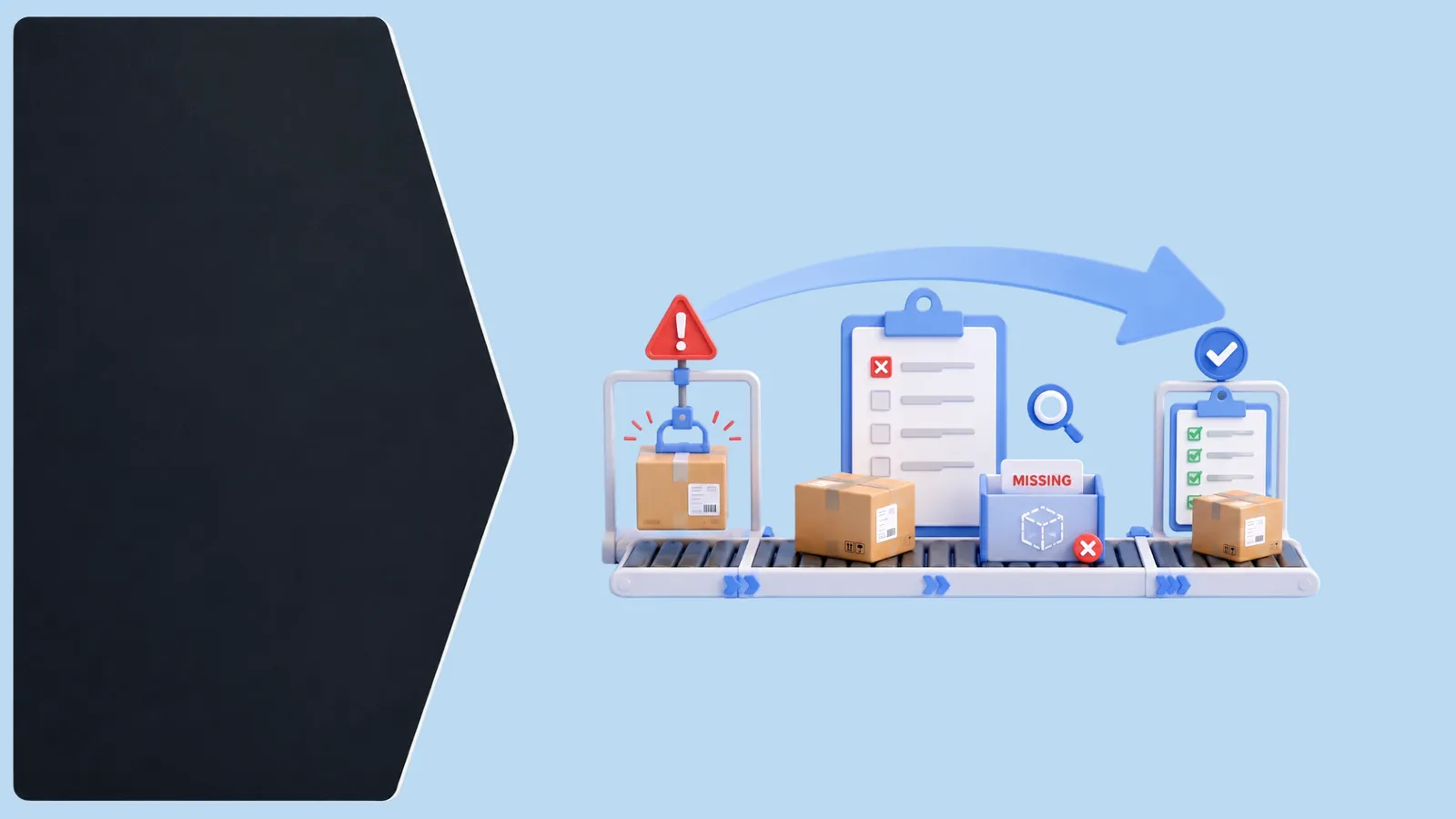
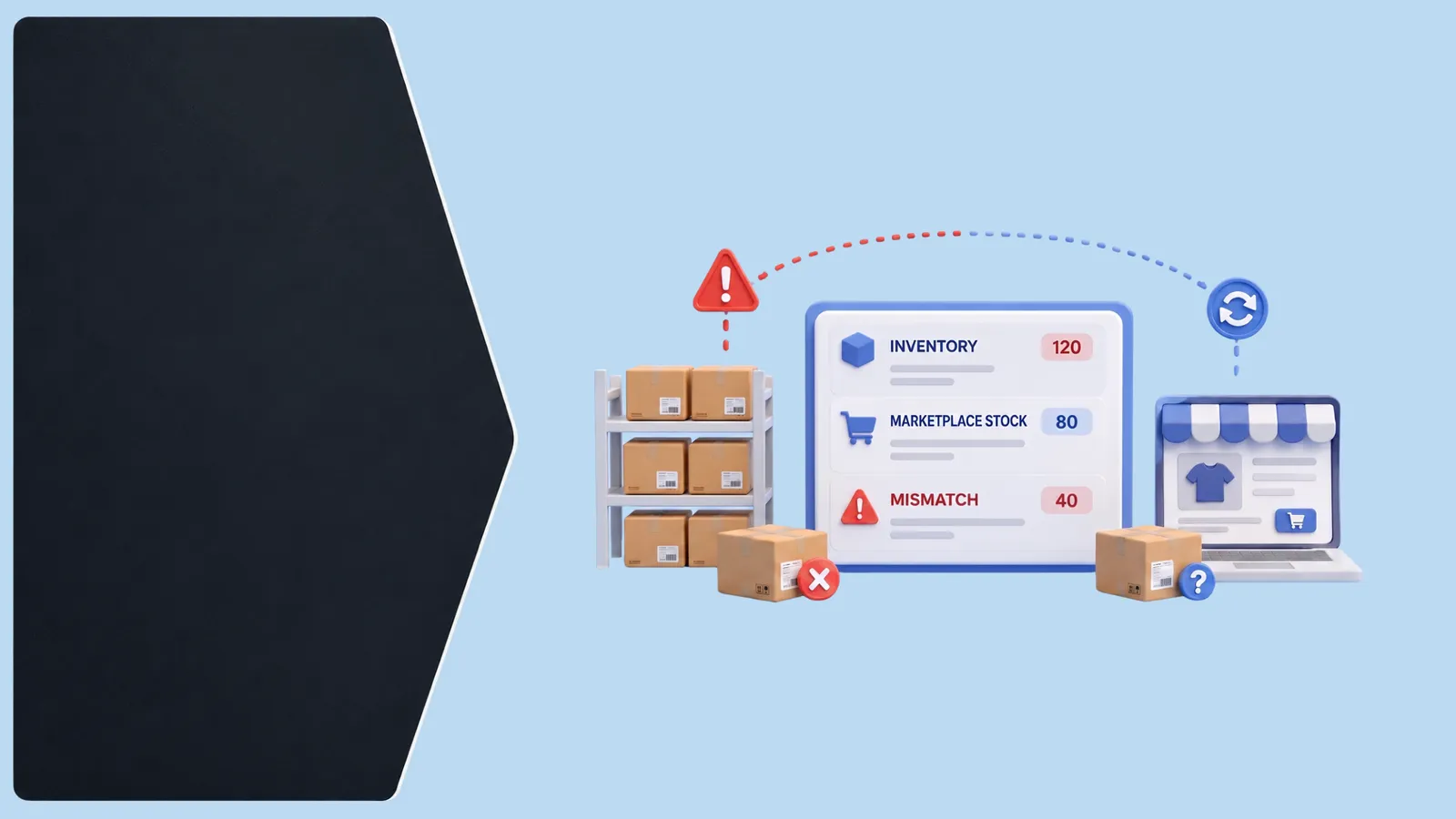
Higher order volume can expose weaknesses that were manageable when orders were handled in smaller batches. Manual copying between seller panels, inconsistent order checks, or delayed inventory updates can create processing queues and errors. Inventory mismatches may lead to cancellations, while unclear warehouse handoffs can hold up picking, packing, or dispatch.
Start by mapping the complete order journey and noting where work waits, is repeated, or needs correction. The goal is to understand the causes of friction before choosing new software or adding steps to the process.
Build a Centralized Order Management Process
Sellers receiving orders from Amazon, Flipkart, Meesho, Myntra, AJIO, Shopify, and other channels may otherwise need to check several dashboards to understand the day's work. Centralized order visibility can give teams a consistent way to review incoming orders, status, and exceptions across connected channels.
An order management system (OMS) can support a shared order workflow, depending on its integrations and configuration. Establish common steps for order review, prioritization, fulfillment assignment, and status updates, while accounting for differences in each marketplace's requirements.
Automate Repetitive Order Tasks
Order processing automation can support repeatable tasks such as importing orders, preparing labels, updating inventory, moving orders through fulfillment stages, or sending notifications where the technology stack supports them. Reducing duplicate data entry lets staff focus on exceptions that need judgment.
Automation varies by system. Confirm supported steps and define what happens when a task fails. Keep a review or escalation path for unusual orders.
Optimize Inventory Management
With high order volume, inventory management needs to reflect what is actually sellable across channels and locations. Inventory synchronization can help keep connected systems aligned, but teams should validate SKU mapping, stock updates, reservations, and the handling of damaged or unavailable products.
Monitor inventory accuracy and fast-moving SKUs closely. Set a process for investigating mismatches and replenishment needs, and understand how shared stock is allocated between channels. These controls help teams respond to stockouts and reduce avoidable overselling or cancellations without assuming every integration updates instantly.
Improve High-Volume Fulfillment
Warehouse order processing benefits from clear stages: release work, pick products, verify items, pack safely, create dispatch handoffs, and update shipment status. Batch order processing can group suitable orders or tasks so teams handle similar work together. Prioritize orders using dispatch commitments and operational needs.
Organized storage and picking methods also matter. Zone picking, for example, assigns workers to defined areas so products can be collected according to the warehouse layout. Whether this method fits depends on the facility, product range, order profile, and available systems. Track where queues or mistakes occur, then adjust the workflow based on observed results.
Use Rules and Workflow Automation
Predefined rules can route routine cases, prioritize orders, or flag issues such as an address problem, unavailable SKU, or required fulfillment location. Rules should reflect seller policies and be reviewed when channels or processes change.
OMS and warehouse platforms differ in supported rules. Start with a few clear, testable rules, document outcomes, and assign an owner for exceptions. Staffing needs still depend on operational requirements.
Monitor the Right Ecommerce Metrics
Track measures that show both throughput and where work gets stuck. Useful operational metrics include:
- Orders processed and pending orders
- Order processing time
- Cancellation rate and stockout frequency
- Fulfillment time
- Return rate
- Order exceptions and their causes
Review trends by channel, product, and fulfillment location where your data allows. A metric is most useful when it leads to a clear question or action, such as investigating a rising queue or recurring stock discrepancy.
How Elitesecom Helps Manage High Order Volumes
Elitesecom provides multichannel order management with 250+ integrations and a Universal API. Confirmed capabilities include inventory synchronization, order processing, fulfillment operations, payment reconciliation, return reconciliation, and reporting.
These capabilities can support a more centralized view of ecommerce operations across connected channels. The right configuration depends on the seller's workflow and integrations; businesses should validate channel coverage and process requirements before relying on a system for critical order tasks.
Practical 1000+ Orders Per Day Checklist
- Centralize order visibility for connected sales channels.
- Check inventory accuracy, SKU mapping, and stock update workflows.
- Document fulfillment stages, responsibilities, and handoffs.
- Automate suitable repetitive tasks and define exception handling.
- Monitor pending orders, processing queues, and fulfillment performance.
- Review recurring errors and adjust processes as operations change.
Frequently Asked Questions
How can a seller handle 1000+ orders per day?
Use clear order workflows, accurate inventory, centralized visibility, suitable automation, and organized fulfillment. Review bottlenecks and exceptions regularly.
How can automation help with high-volume ecommerce orders?
Where supported, it can handle repeatable tasks such as order import, inventory updates, label preparation, and status changes, leaving staff to resolve exceptions.
What is the best way to manage inventory with high order volumes?
Maintain accurate SKU and location records, synchronize stock across connected channels, and monitor fast-moving items and discrepancies.
How does an OMS help process large order volumes?
An OMS can centralize orders and support processing, inventory, fulfillment coordination, and reporting based on its features and integrations.
What metrics should sellers track?
Monitor processed and pending orders, processing and fulfillment time, cancellations, stockouts, returns, and order exceptions.
Pro Tip
Improve the workflow that creates the most delays or corrections first. Measure the issue, make one practical change, and review whether it improves consistency before expanding the change to other processes.

Key Takeaways
- Handling high order volume starts with consistent processes and clear ownership.
- Centralized order visibility helps teams coordinate connected sales channels.
- Inventory accuracy and SKU mapping support reliable order processing.
- Automate repeatable tasks where the technology stack supports them.
- Batch processing and organized picking can structure warehouse work.
- Define exception handling rather than expecting every order to follow one path.
- Monitor processing, fulfillment, stockouts, cancellations, returns, and exceptions.
- Staffing needs depend on order complexity, fulfillment model, and operating setup.