1
Key Concepts
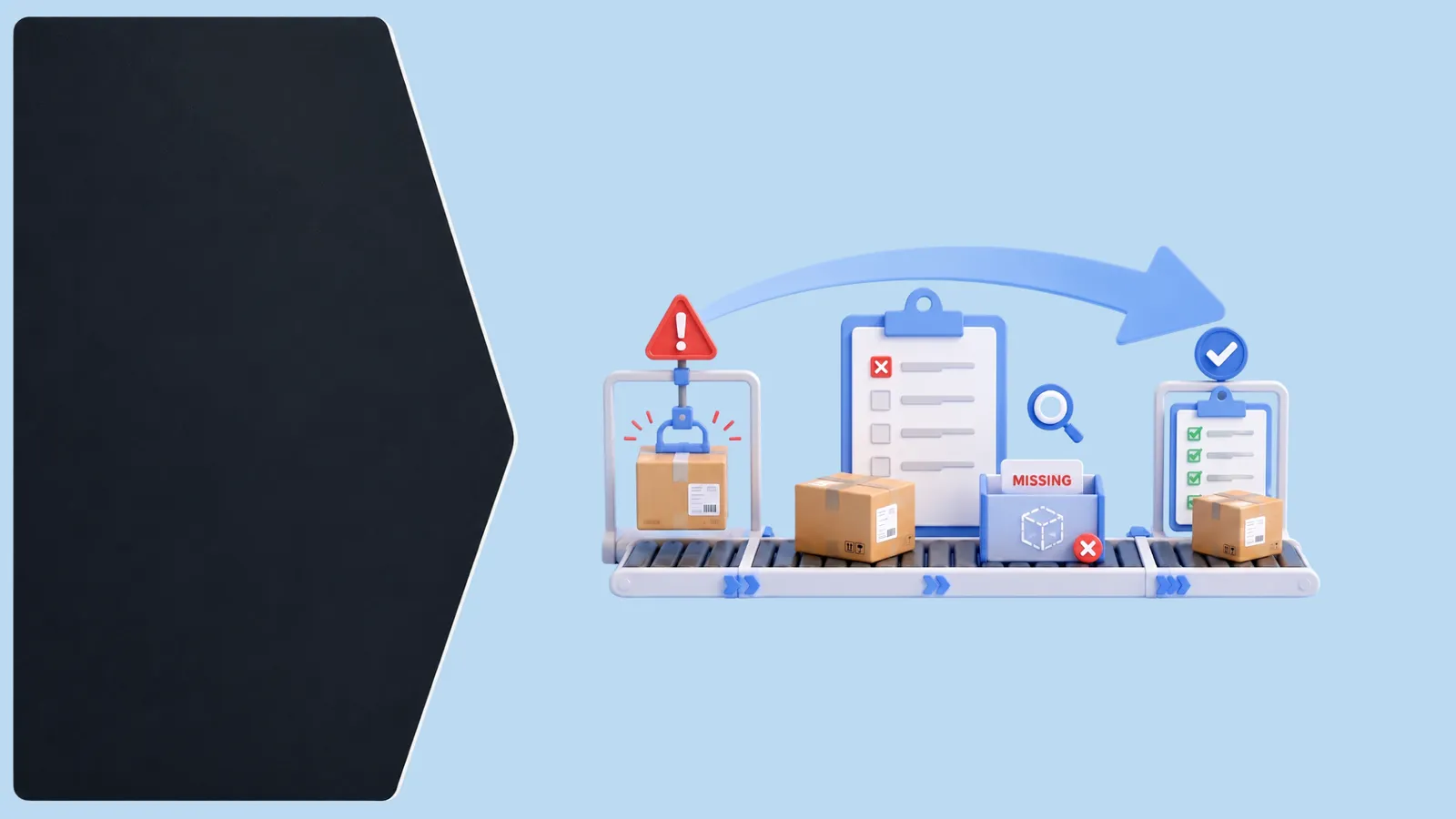
Order errors cluster around a small number of failure points: picking errors (wrong item or wrong quantity pulled from the shelf), address errors (shipping label doesn't match the current order's delivery address, common when processing orders in batch), and confirmation errors (an order shipped after being cancelled or modified by the customer). Each has a specific, systematic fix rather than requiring a broad 'be more careful' approach.
2
Best Practices
Use barcode scanning at the pick stage to verify the correct item and quantity before it's packed, rather than relying on visual checks alone. Auto-generate shipping labels directly from the order record at time of packing, not from a pre-printed batch that can drift out of sync with last-minute order changes. Build a hard stop that prevents shipping an order that's been cancelled or modified after confirmation, rather than relying on staff to notice manually.
3
Implementation
Track your errors for two weeks and categorize each one as a picking, address, or confirmation error — this tells you which of the three fixes to prioritize first, since most sellers find one category dominates. Barcode-based pick verification and automated label generation directly address the two most common categories, typically without requiring a warehouse redesign.
Pro Tip
'Reduce errors by 90%' isn't about a single big fix — it's about closing the two or three specific gaps that cause the vast majority of errors, which are usually identifiable within a couple weeks of tracking.
Key Takeaways
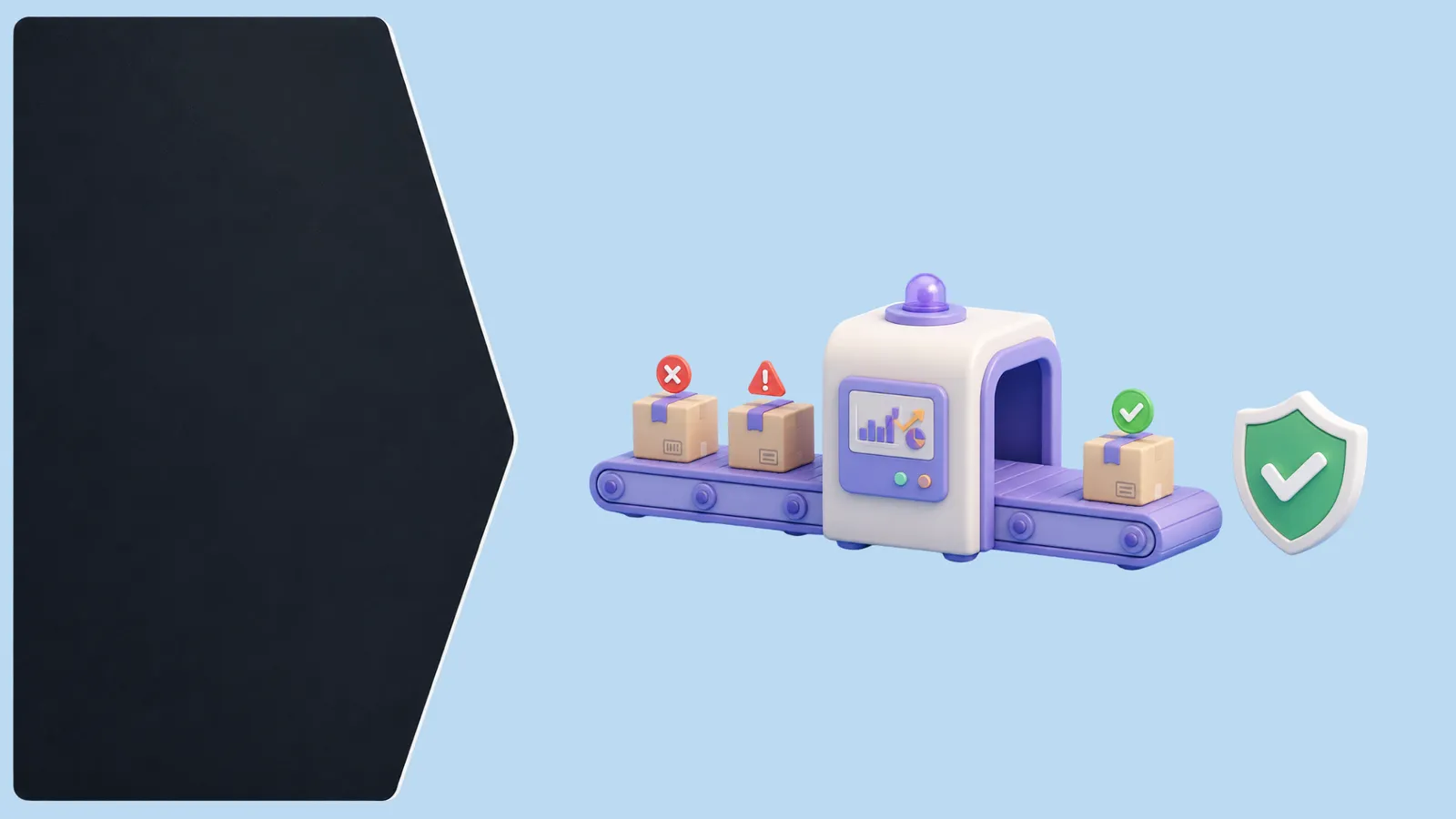
- Picking, address, and confirmation errors account for most fulfillment mistakes
- Barcode scanning at pick verifies correct item and quantity before packing
- Generate labels from the live order record, not a pre-printed batch
- Build a hard stop against shipping cancelled or modified orders
- Track and categorize errors for two weeks to identify which fix to prioritize first