1
Key Concepts
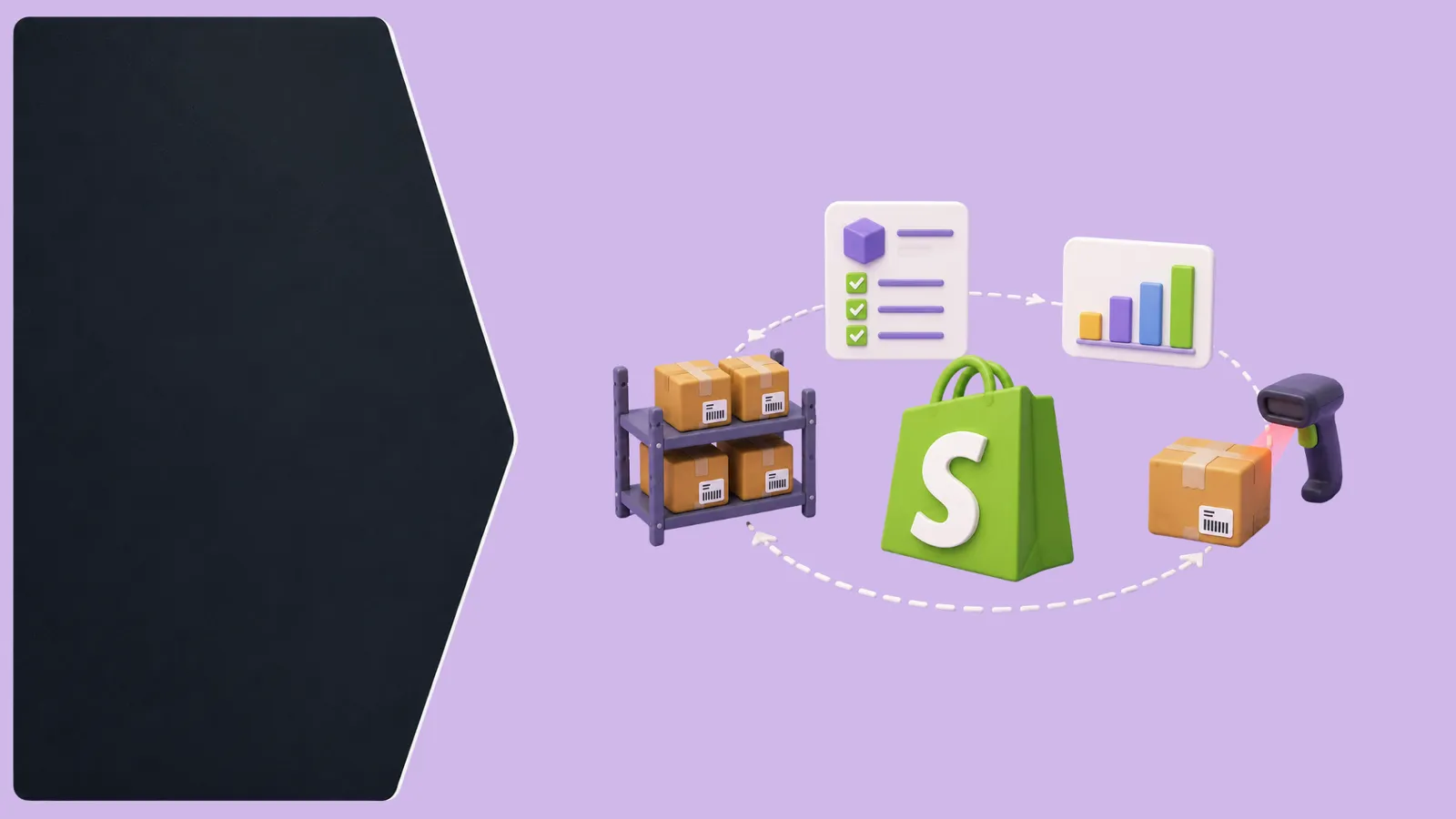
A dedicated OMS adds three things Shopify's native tools don't fully cover: real-time inventory sync with external marketplaces, automated fulfillment routing across multiple warehouses or 3PLs, and consolidated reconciliation if you sell anywhere besides your Shopify store. For a pure single-channel Shopify store with one fulfillment location, native tools are often sufficient — the need for a dedicated OMS scales directly with how many channels and locations you're managing.
2
Best Practices
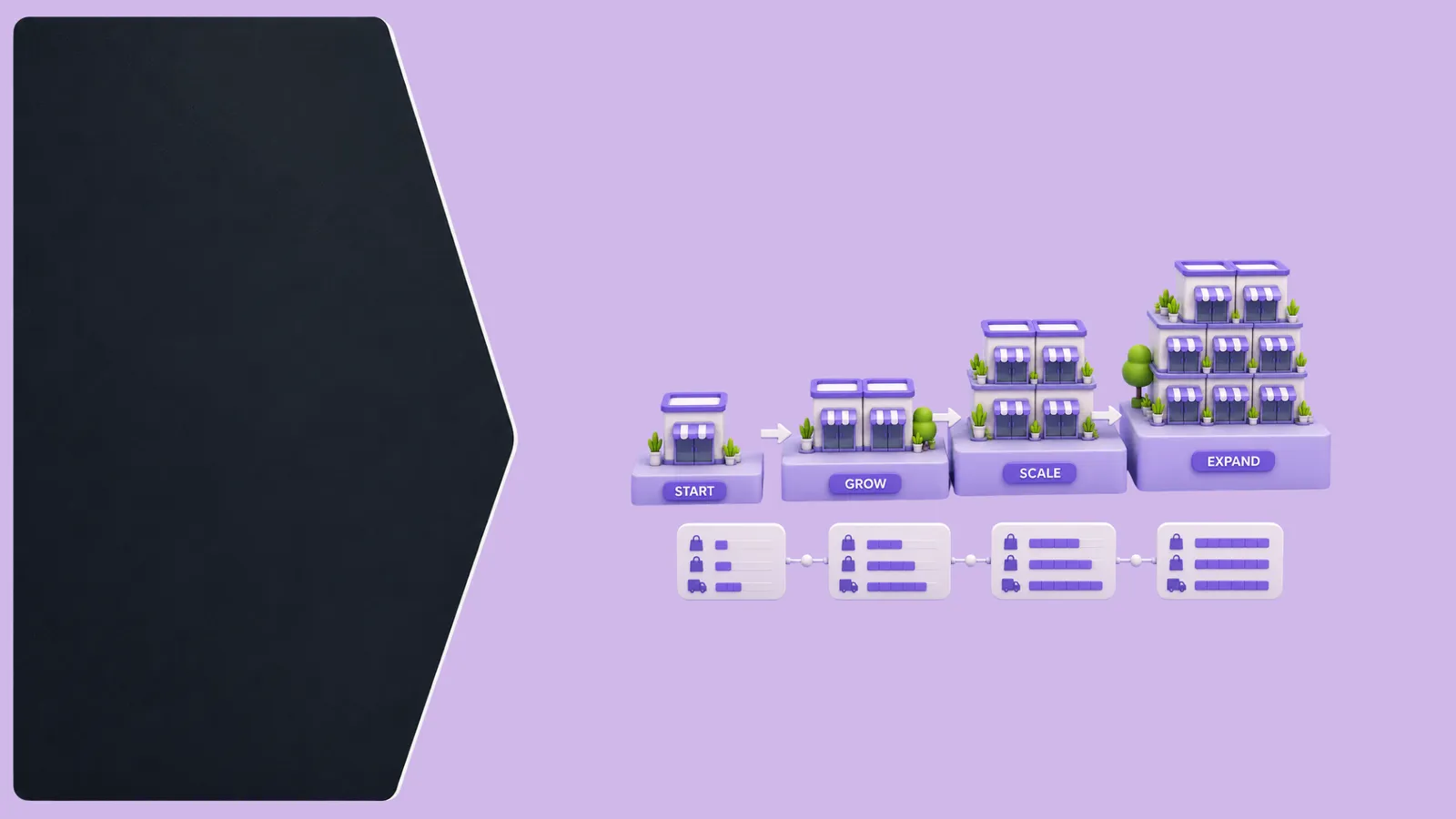
Evaluate the need for an OMS against your actual complexity, not order volume alone — a single-channel store doing 2,000 orders a month may need less than a 3-channel store doing 500. Prioritize OMS features that solve your specific bottleneck (inventory sync if you're multi-channel, fulfillment routing if you're multi-warehouse) rather than adopting every feature at once. Keep Shopify as your storefront and let the OMS handle backend orchestration — don't try to replace Shopify's customer-facing functions.
3
Implementation
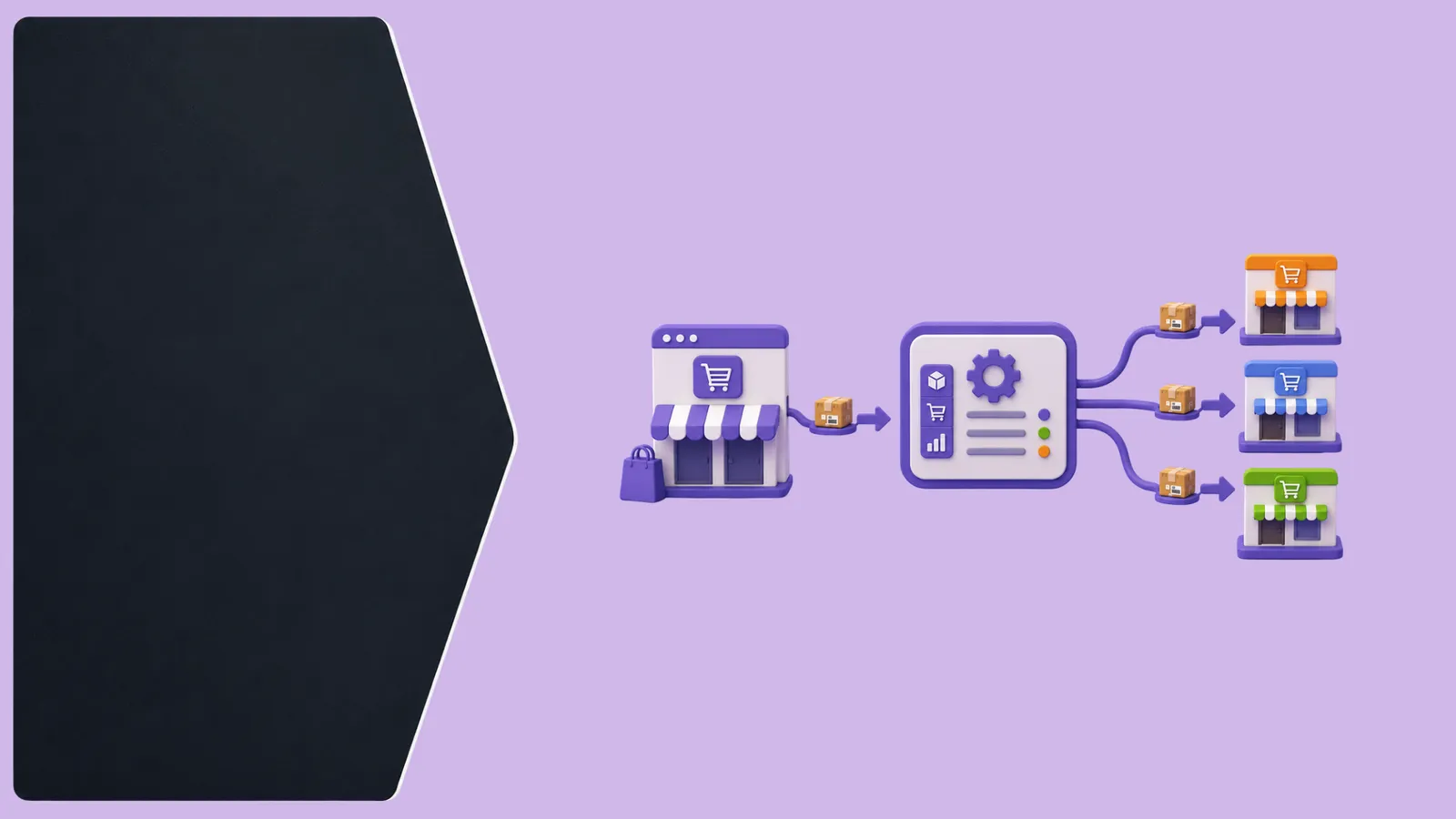
Map out every channel and fulfillment location currently feeding into or out of your Shopify store — if that map has more than one node on either side, that's your signal an OMS adds real value. From there, connect the OMS to Shopify's API alongside your other channels so order and inventory data flows through one system instead of being manually reconciled between platforms.
Pro Tip
The right time to add an OMS isn't a specific order-volume number — it's the point where you're manually reconciling data between two or more systems on a regular basis.

Key Takeaways
- A dedicated OMS matters most once you add a second channel or fulfillment location
- Complexity (channels + locations), not order volume alone, determines OMS need
- Prioritize the specific feature that solves your actual bottleneck first
- Keep Shopify as the storefront; let the OMS handle backend orchestration
- Regular manual reconciliation between systems is the clearest signal it's time for an OMS