1
Key Concepts
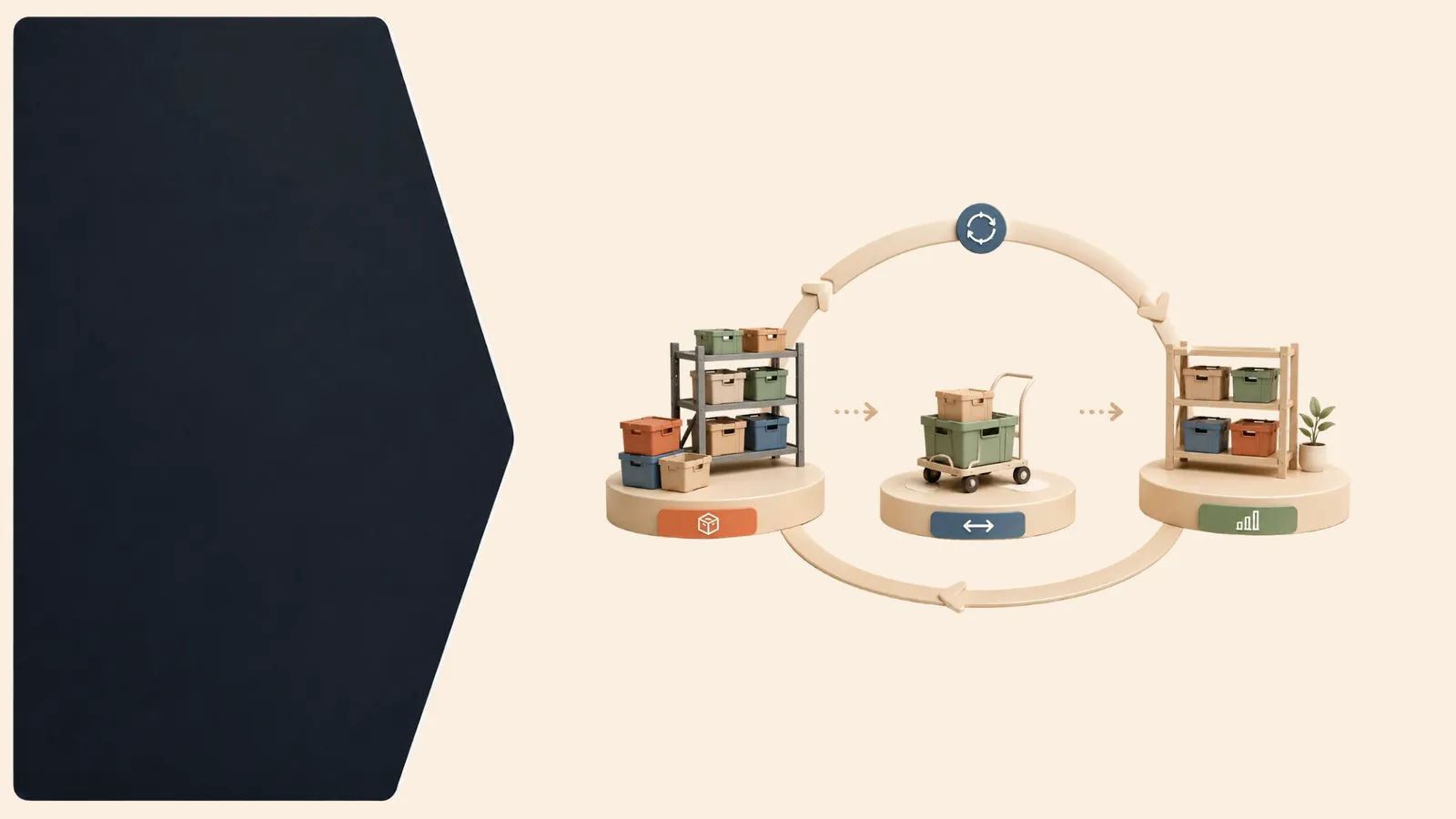
True real-time inventory tracking updates stock counts the instant a sale is confirmed on any connected channel, typically via webhook-based integration rather than scheduled polling. This matters most for high-velocity SKUs sold across multiple channels — the gap in a batch-update system (even a 'frequent' 15-30 minute batch) is enough time for the same unit to sell on two different platforms during a traffic spike, creating an oversold order that has to be manually cancelled.
2
Best Practices
Confirm whether your current system uses genuine real-time (webhook-based) updates or frequent batch updates — many sellers assume real-time when they're actually on a batch cycle, since the difference isn't always obvious day-to-day. Prioritize true real-time sync specifically for your fastest-moving, multi-channel SKUs, where the overselling risk from any delay is highest. Maintain a small safety buffer even with real-time tracking, since no system is instantaneous across every layer (network latency, marketplace API delays) — belt-and-suspenders protection for your highest-risk SKUs.
3
Implementation
Check your current inventory sync method directly — ask your OMS or platform provider whether updates are webhook-triggered (true real-time) or on a polling/batch schedule, and how frequent that schedule is if so. If you're on a batch system and sell multi-channel, this is worth prioritizing as an upgrade, particularly for your top-selling SKUs where the overselling risk and its cost (cancelled orders, rating damage) is highest.
Pro Tip
The difference between 'updates every 30 minutes' and genuine real-time sync feels minor until a high-traffic moment (a sale event, a viral product) compresses a month's worth of order volume into a few hours — that's exactly when the gap causes real damage.
Key Takeaways
- Genuine real-time tracking uses webhook-based updates, not scheduled batch polling
- Many 'real-time' systems are actually frequent batch updates, which still leave an overselling gap
- Prioritize true real-time sync for fastest-moving, multi-channel SKUs specifically
- Maintain a small safety buffer even with real-time tracking for extra protection
- The overselling risk from sync delay compounds most during high-traffic periods