1
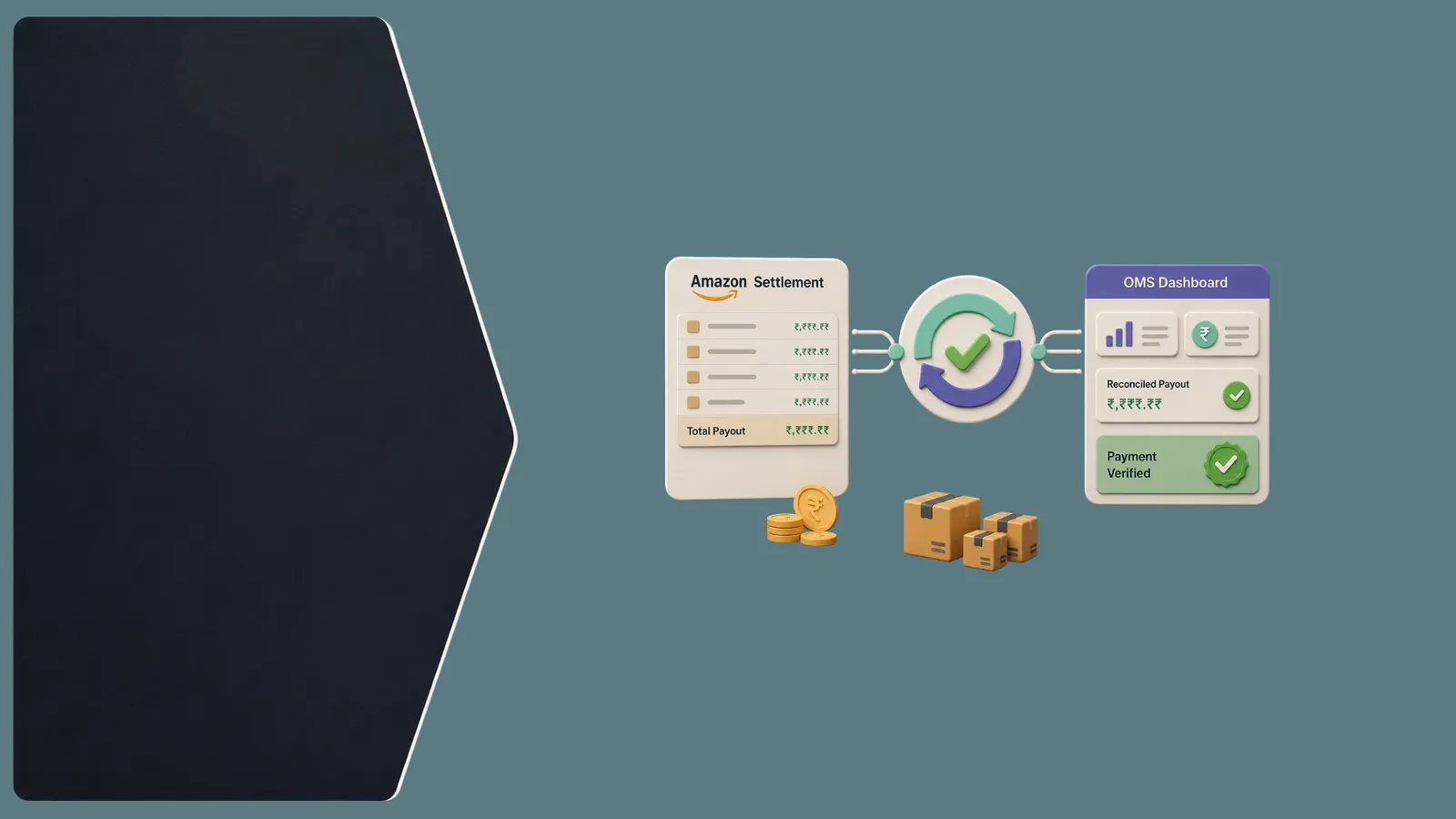
What is Payment Reconciliation?
Payment reconciliation matches marketplace payouts and settlements to your fulfilled orders. It answers: 'Did I receive the correct amount for every order I shipped?' This includes verifying commissions, shipping fees, and net payout amounts.
2
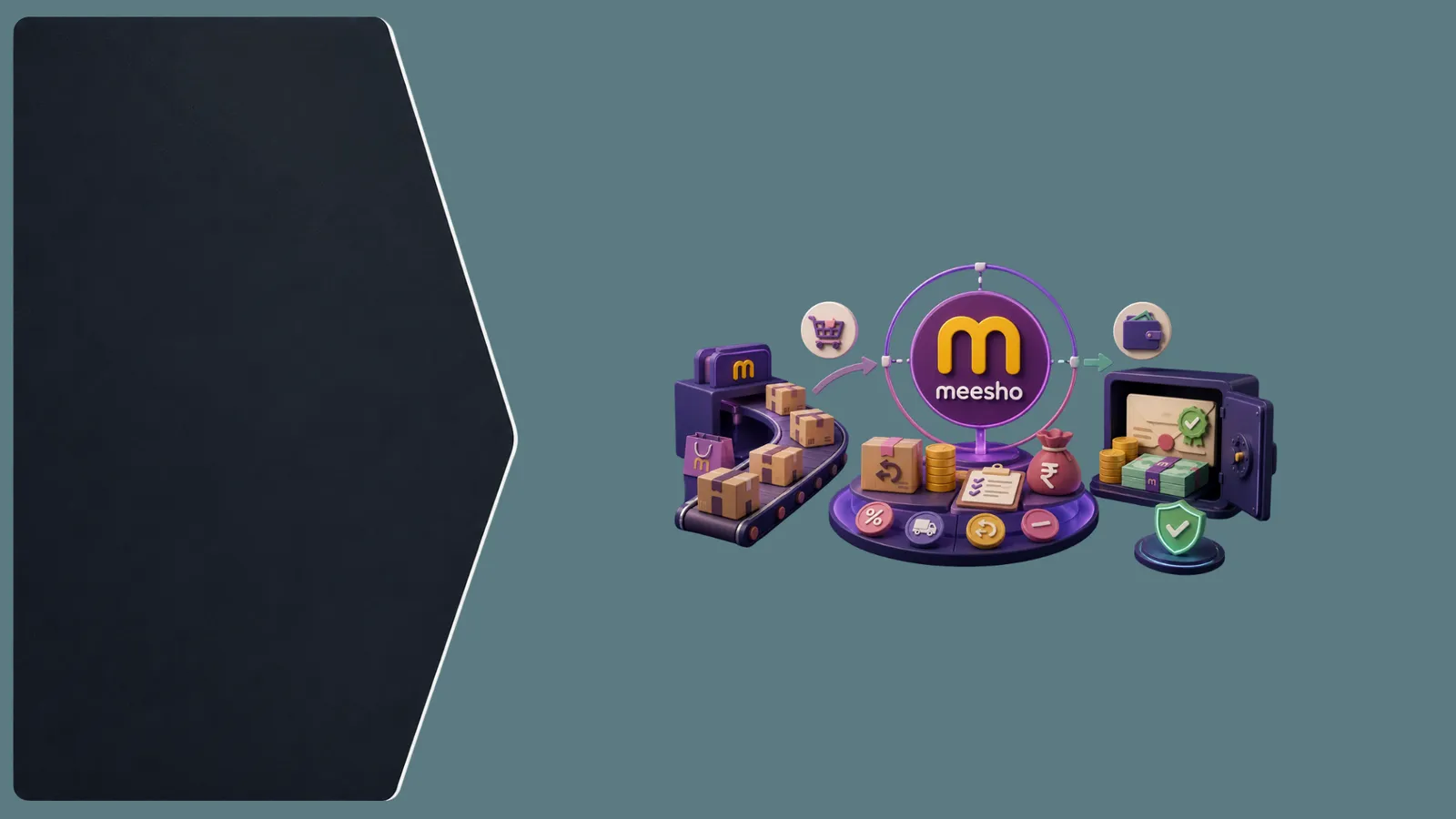
What is Return Reconciliation?
Return reconciliation tracks returned orders, refund amounts, restocking status, and return-related fee reversals. It answers: 'Was I correctly credited for every return, and is my inventory accurately updated?'
3
Why You Need Both
Payment and return reconciliation are interconnected but distinct processes. A returned order affects both your payout (payment reconciliation) and your inventory (return reconciliation). EliteOMS handles both in one platform, eliminating spreadsheet chaos.
Pro Tip
Sellers who only reconcile payments but ignore returns typically discover 1–3% inventory and revenue gaps during annual audits.

Key Takeaways
- Payment reconciliation = payout vs orders shipped
- Return reconciliation = refunds vs returns received
- Both are required for accurate P&L
- Automate both processes in your OMS
- Run reconciliation weekly minimum, daily during sales