1
Key Concepts
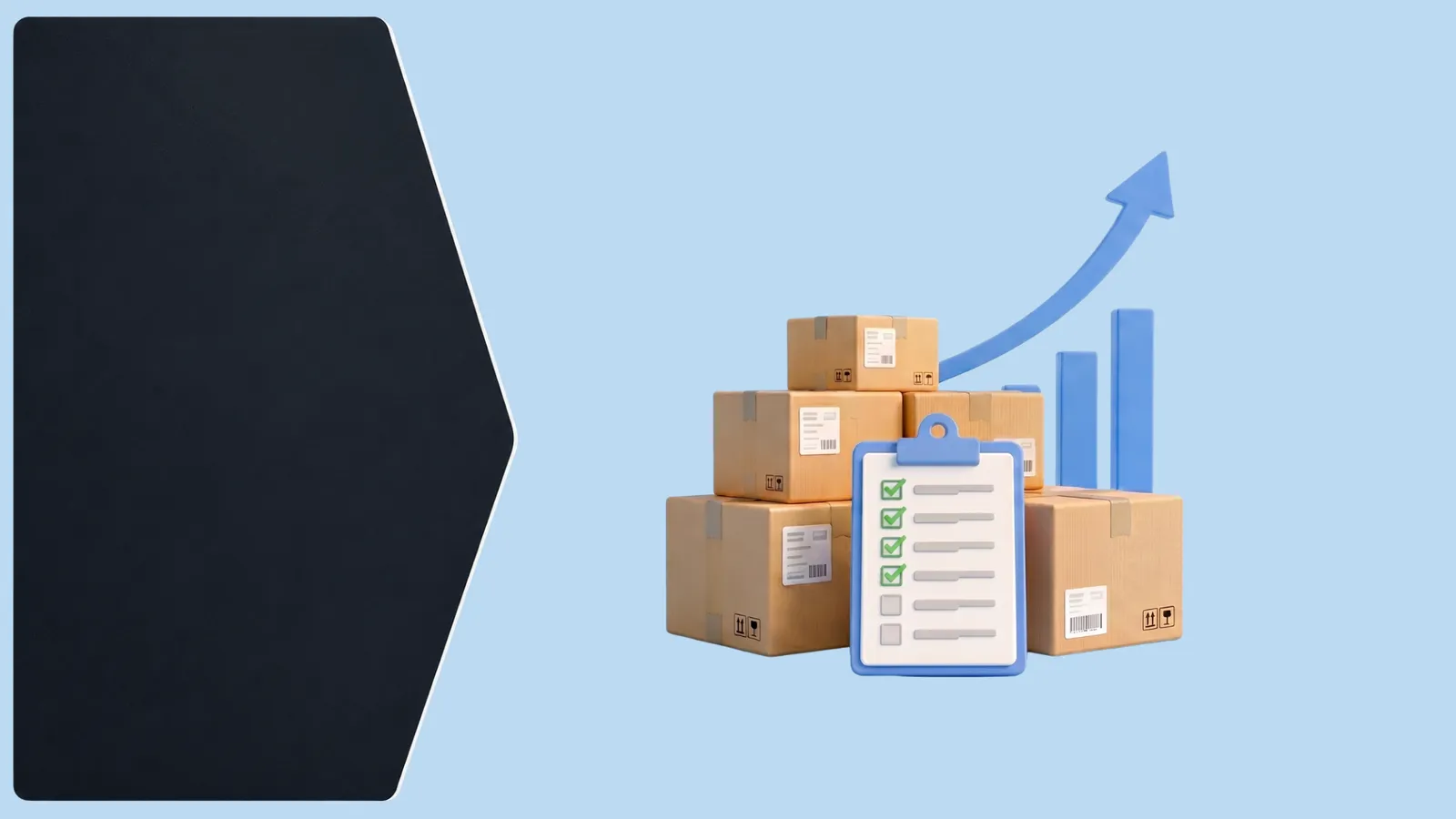
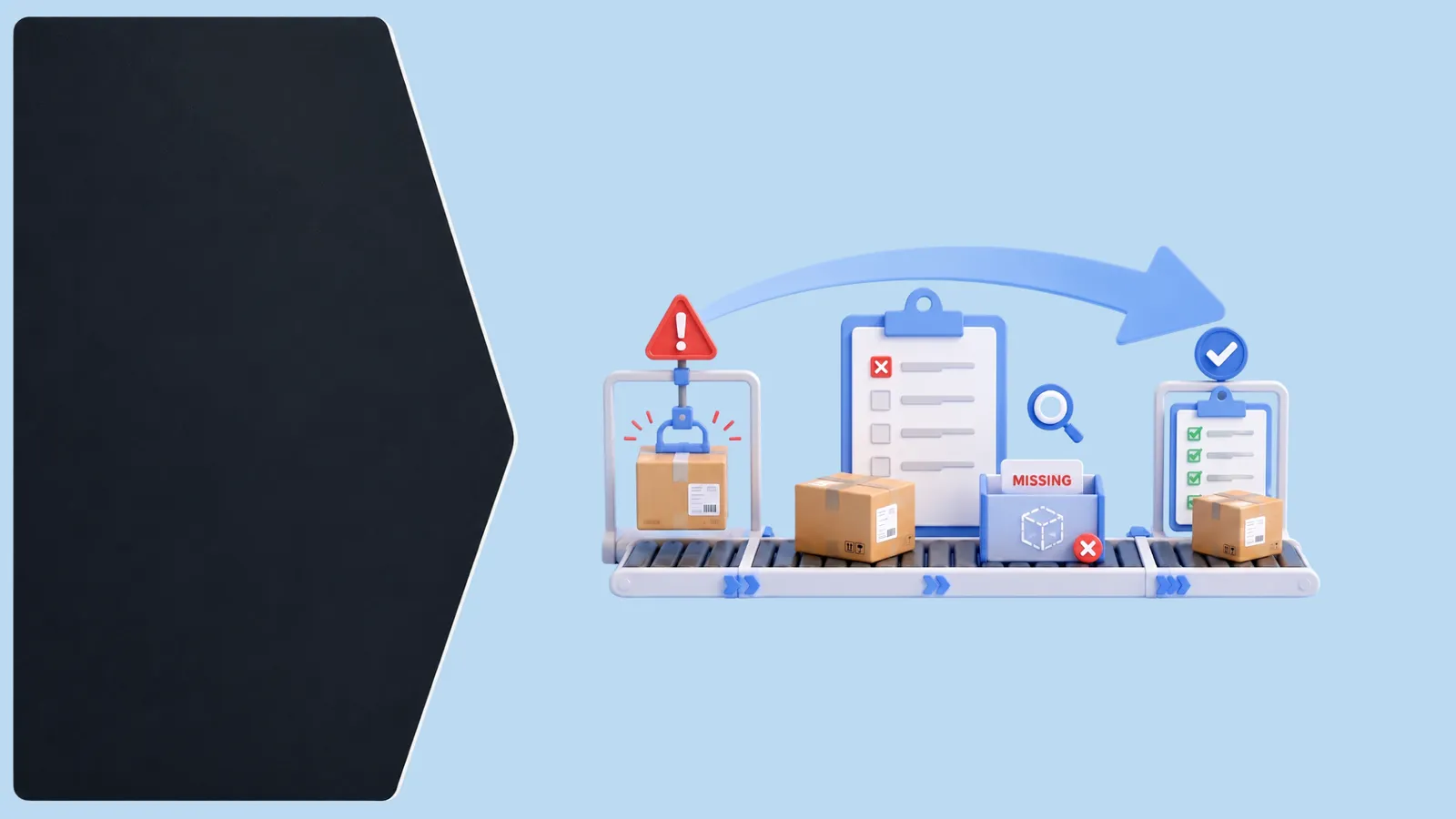
The three hidden costs: staff time (hours spent on tasks a system could do automatically, valued at what that time could otherwise generate), error-driven costs (wrong items shipped, missed cancellations, double-fulfilled orders — each with a direct refund or reshipment cost), and opportunity cost (the growth held back because manual processes cap how much order volume a team can actually handle). None of these show up as an obvious expense, which is exactly why they go unaddressed longer than they should.
2
Best Practices
Calculate actual hours spent weekly on manual order tasks (confirmation, label generation, inventory checks) and multiply by a reasonable hourly cost — this converts an invisible cost into a real number worth comparing against automation pricing. Track fulfillment errors specifically caused by manual steps (not product issues) for a month to see the real refund/reshipment cost. Ask directly: what order volume would manual processes break at, and how close are you to that ceiling right now.
3
Implementation
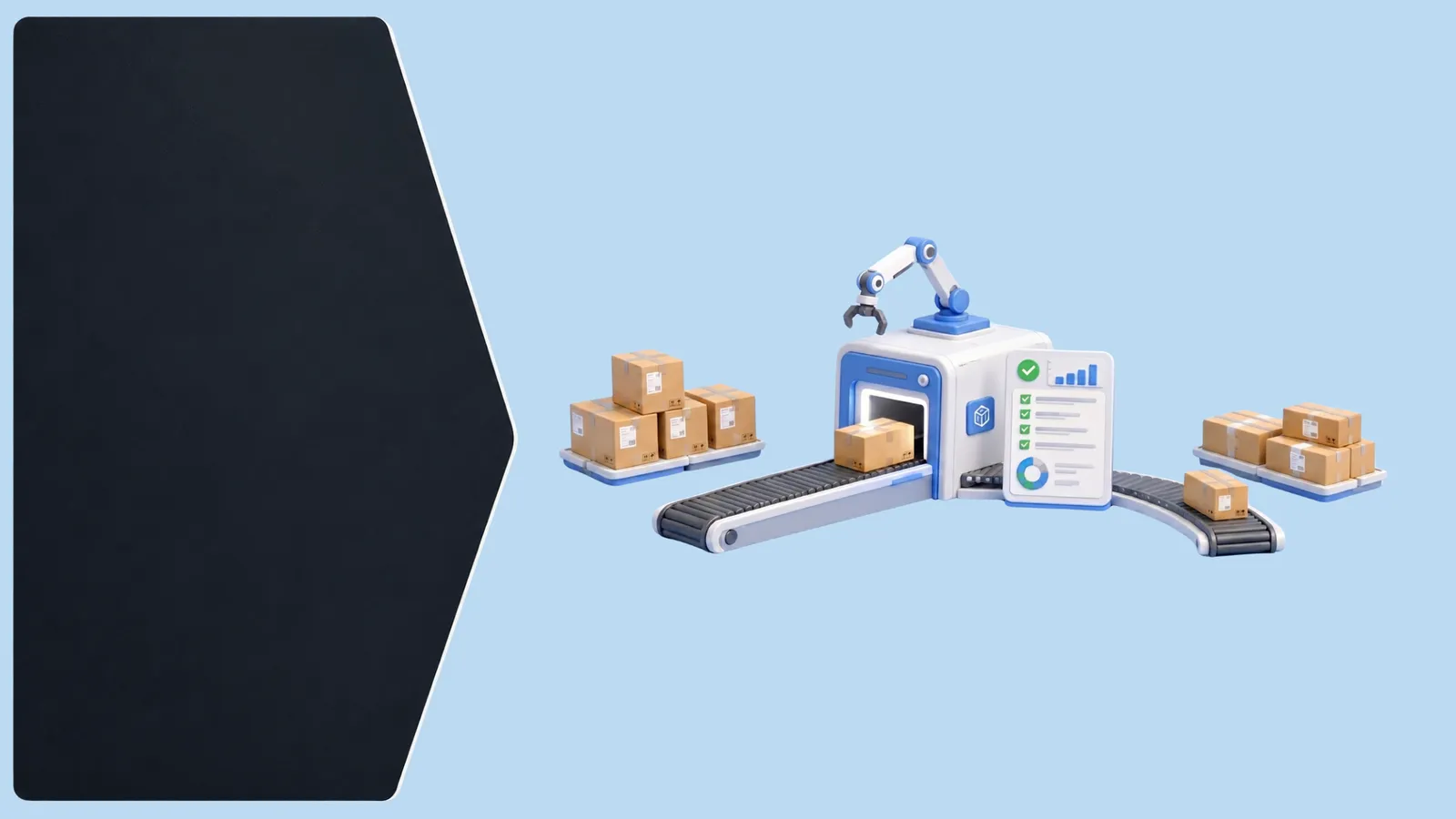
Run this calculation for your own operation: current weekly manual hours × hourly cost + last month's manual-error-driven refunds = your current hidden cost of manual processing. Compare that monthly total against the cost of an OMS that automates the repetitive parts — for most sellers past a few hundred monthly orders, the automation cost is lower than the hidden cost it replaces.
Pro Tip
The opportunity cost is usually the largest of the three and the hardest to see — a team capped at handling 500 orders manually isn't just spending time, it's leaving growth on the table that a system could absorb without adding headcount.

Key Takeaways
- Manual processing costs show up as staff time, error-driven refunds, and capped growth
- Calculate actual hours and error costs to convert a hidden cost into a real number
- Compare that number directly against automation cost, not just intuition
- Opportunity cost (growth capped by manual capacity) is often the largest, least visible factor
- Past a few hundred monthly orders, automation typically costs less than the manual alternative