What Is an Order Management System (OMS)?
An Order Management System (OMS) is software that helps a business receive, organize, process, and track orders from the moment a customer places one through fulfillment and any later return or reconciliation work.
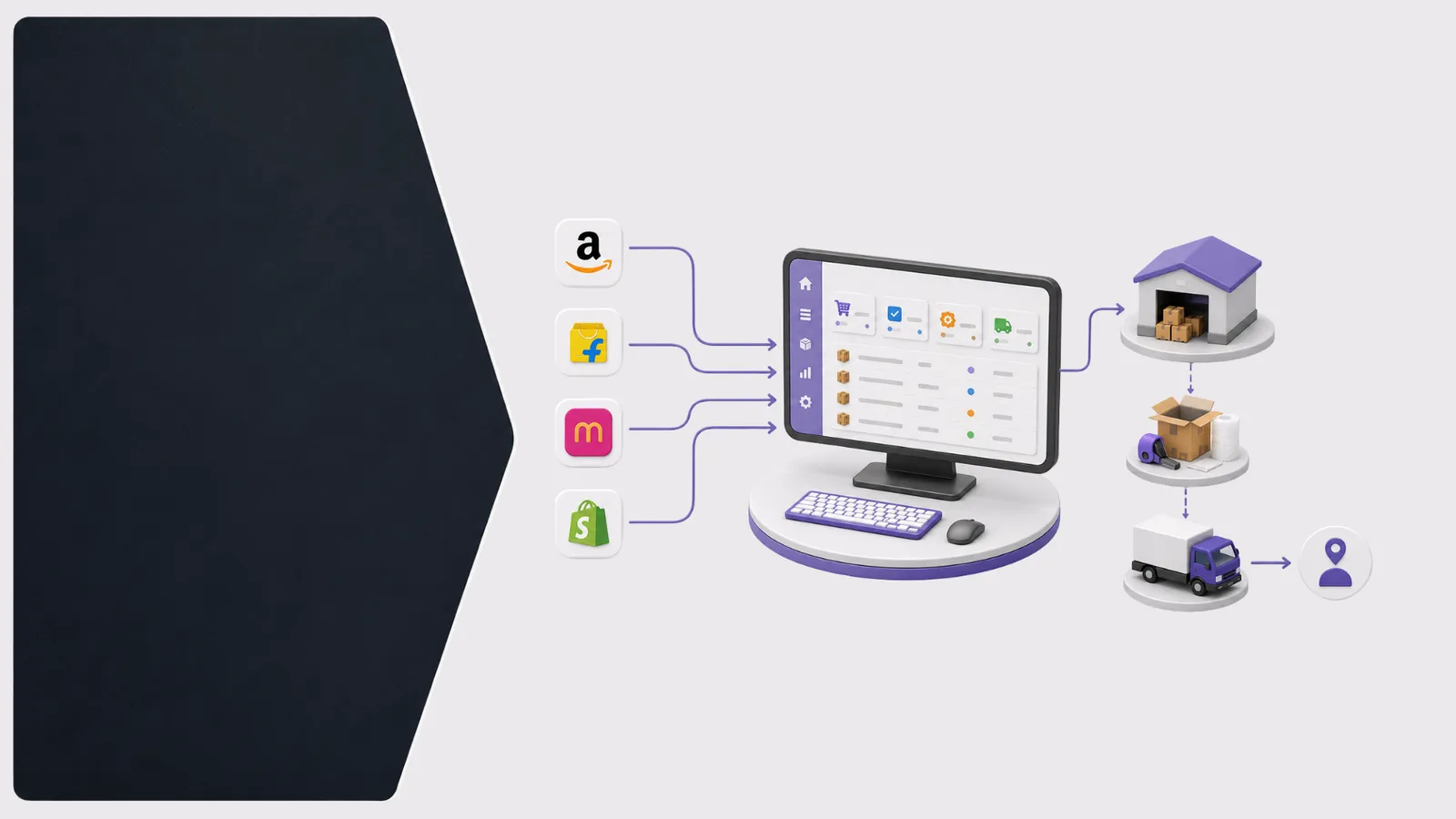
An ecommerce order management system can bring orders from marketplaces, online stores, and other sales channels into a centralized workflow. Teams can see order status, check stock, coordinate fulfillment, and keep operational information connected instead of manually switching between marketplace panels and spreadsheets.
Without OMS software, each channel may have its own order queue and inventory records. A team has to check those sources, move information between tools, and keep each step up to date. An OMS connects those steps in an order processing system, helping the business work from a clearer, shared view.
In short, an OMS manages more than order entry: it coordinates orders with inventory, fulfillment, warehouse operations, shipping, returns, and reconciliation.
How Does an Order Management System Work?
A typical OMS workflow connects each stage of an order's lifecycle:
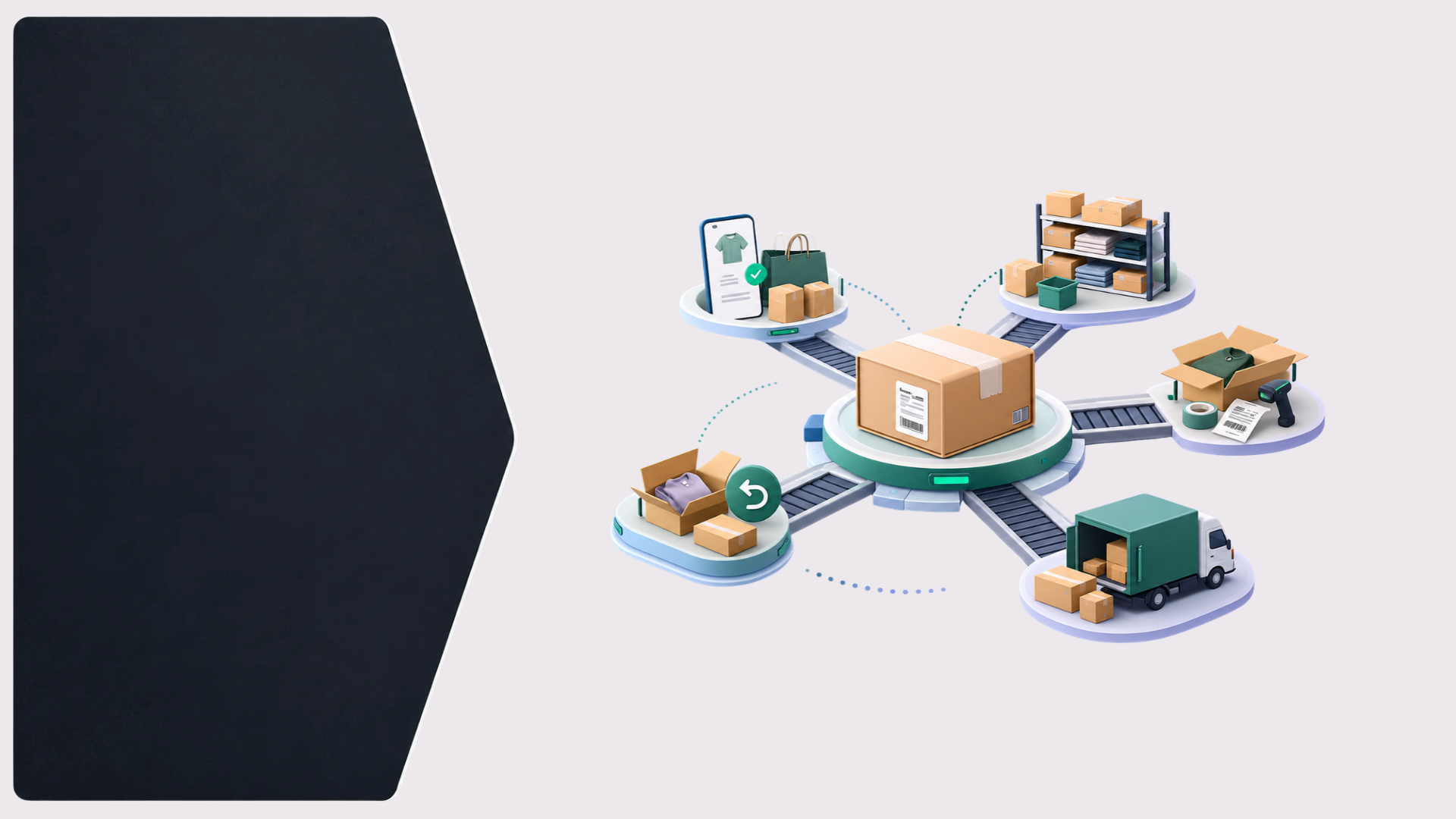
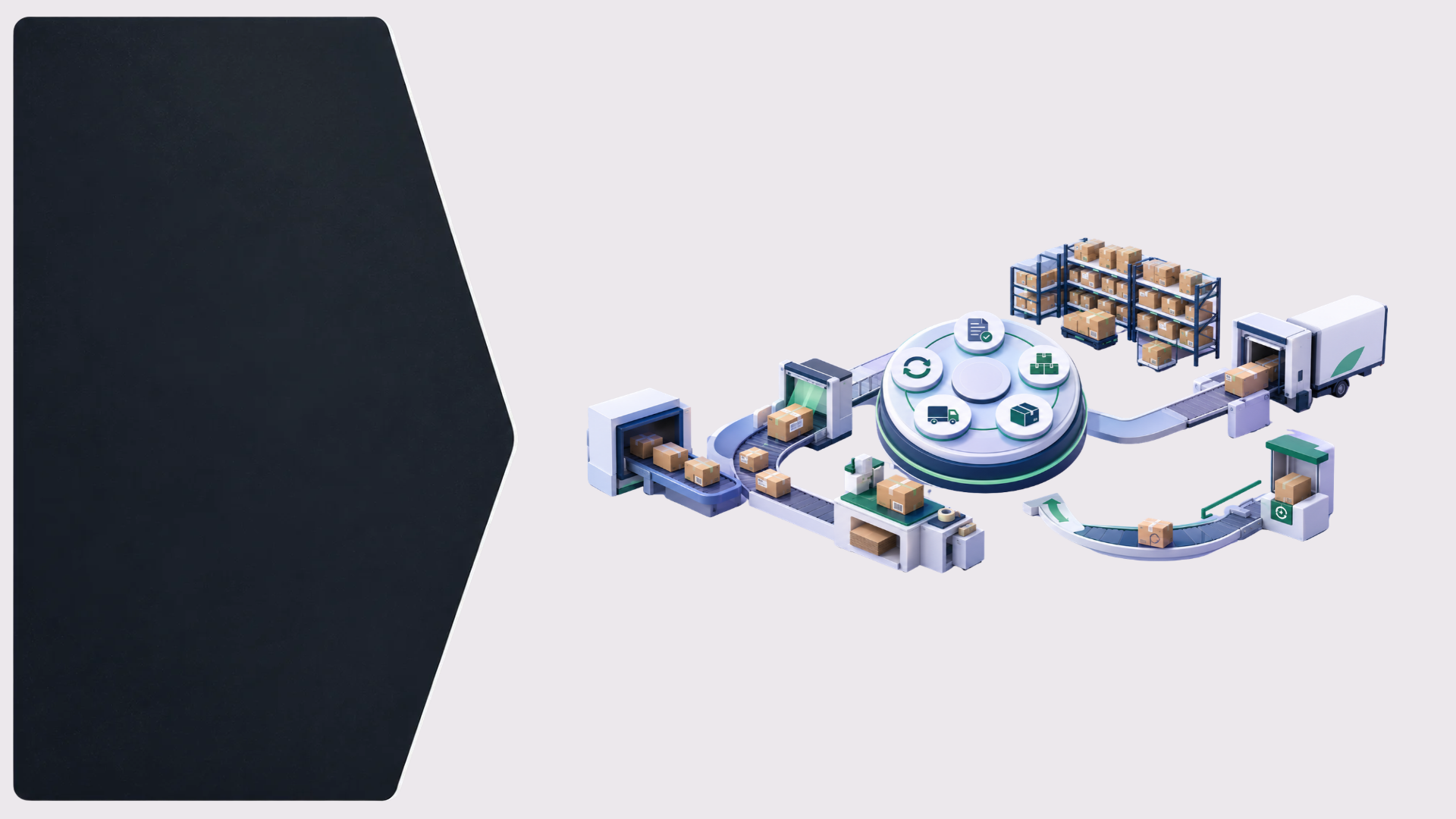
Order Received → Inventory Check → Order Processing → Picking → Packing → Label/Invoice → Dispatch → Delivery → Return/Reconciliation
- Order received: The OMS imports or receives an order from a connected marketplace or ecommerce store.
- Inventory check: Available stock is checked so the team can identify stock or allocation issues before fulfillment.
- Order processing: The order is validated and moved into the appropriate workflow based on its status and business rules.
- Picking: Warehouse staff locate and collect the ordered products.
- Packing: The items are packed and prepared for shipment.
- Label and invoice: Shipping labels and required invoices or documents are prepared for the order.
- Dispatch: The shipment is handed to the carrier and its status is updated.
- Delivery: The order continues through delivery, with status information available to the operations team.
- Return and reconciliation: If a return or settlement event occurs, it can be tracked and connected to inventory and reconciliation workflows.
Key Features of an Order Management System
Order Management
Centralized order processing brings orders into a common queue, tracks their status, and helps teams follow each order through its lifecycle.
Inventory Management
Inventory synchronization connects warehouse stock with sales channels. Teams can get a more consistent view of available, reserved, or committed stock and reduce manual updates.
Multichannel Order Management
An OMS can bring marketplace and ecommerce orders into one system, helping a team manage channels through a shared workflow while retaining channel-specific order details.
Warehouse Operations
OMS workflows can connect orders with picking, packing, dispatch preparation, and warehouse processes so fulfillment teams can act on order information.
Shipping and Label Management
Shipping labels, invoices, and dispatch steps can be connected to order processing, reducing the need to move order details between separate tools.
Returns Management
Returned orders can be tracked through receipt, inspection, and disposition, with relevant updates passed to inventory and operational records.
Payment Reconciliation
Payment reconciliation helps sellers compare marketplace order and settlement information and identify transactions that need review.
Return Reconciliation
Return reconciliation helps teams investigate return-related differences between expected and recorded amounts or events.
Reporting and Analytics
Order, inventory, return, and operational data can support reporting and help teams understand workflow status and recurring issues.
Why Do Ecommerce Businesses Need an OMS?
Manual order handling can become difficult when a business uses multiple marketplace dashboards, spreadsheet-based inventory, and separate tools for fulfillment and finance.
As order volume and sales channels increase, teams may face inventory mismatch, overselling, cancellations, delayed fulfillment, difficult returns management, payment and return reconciliation problems, limited centralized reporting, and increasing operational workload. Staff may also spend time re-entering information or checking the same order across different systems.
An order management system for ecommerce connects these activities to a common workflow. It gives teams a shared view of order progress and inventory, and makes it easier to coordinate work as the business grows. The right time to adopt an OMS depends on operational complexity, not one universal order-volume threshold.
OMS for Multichannel Ecommerce
Businesses selling on Amazon, Flipkart, Meesho, Myntra, Shopify, AJIO, and other marketplaces or ecommerce channels may otherwise need to manage each channel independently.
Multichannel order management brings orders from those channels into a centralized system. Inventory can be coordinated across connected sales channels, and operations teams can follow a shared fulfillment workflow while still seeing where each order originated.
This is useful for multichannel ecommerce because one sale affects the stock available to sell elsewhere. A centralized view helps teams coordinate marketplace order management and inventory updates without treating each channel as an isolated operation.
OMS vs Inventory Management System
An inventory management system primarily focuses on stock visibility, stock movement, and inventory control. It helps a business understand what stock it has, where that stock is located, and how quantities change.
An OMS manages the broader order lifecycle. It can connect orders with inventory, fulfillment, warehouse operations, shipping, returns, and reconciliation. Inventory is one important part of the order workflow, but it is not the whole workflow.
One system does not always replace the other. Some businesses use separate tools, while some modern platforms combine order and inventory management capabilities.
OMS vs WMS
OMS means Order Management System. It focuses primarily on the order lifecycle and coordination across sales channels, from incoming order through fulfillment and related returns or reconciliation.
WMS means Warehouse Management System. It focuses primarily on warehouse processes such as receiving, storage, picking, packing, and stock movement.
The systems can work together: an OMS coordinates what needs to be fulfilled, while a WMS can direct and record warehouse activity. A business may use both systems depending on its channel and warehouse needs.
Benefits of an Order Management System
An OMS can provide practical operational benefits, including:
- Centralized visibility into orders across connected channels
- A clearer view of inventory availability
- Less manual work moving order information between tools
- More organized order processing
- Better coordination between orders and fulfillment teams
- More consistent multichannel operations
- Structured returns management
- Connected payment and return reconciliation workflows
- More useful operational reporting
- Workflows that can support operational growth
The value depends on how well the system fits the business's channels, processes, and team requirements.
Who Should Use an Order Management System?
Growing Ecommerce Sellers
Businesses may benefit when order volume becomes difficult to monitor and process manually.
Multichannel Sellers
Sellers operating across multiple marketplaces or ecommerce platforms can use an OMS to bring orders and inventory workflows together.
D2C Brands
Brands handling orders through their own website alongside marketplaces can coordinate those workflows in one place.
Large Ecommerce Operations
Businesses with dedicated warehouse, operations, finance, and customer service teams can share a more consistent view of order status and operational tasks.
Businesses With Complex Returns
Sellers that need structured return tracking and reconciliation workflows can connect those processes to order and inventory records.
When Should a Business Adopt an OMS?
A business may be ready for an OMS when its current tools make routine operations difficult. Common signs include:
- Orders are managed across multiple dashboards
- Inventory is maintained manually
- Teams use spreadsheets to track orders
- Stock mismatches occur frequently
- Orders are missed or delayed
- Returns are difficult to track
- Reconciliation takes significant manual effort
- Multiple teams need access to the same order information
- The business is expanding to additional marketplaces
These signals indicate that the operational workflow may need a more centralized system; there is no single order-volume threshold that applies to every business.
What to Look for in an OMS
Use this checklist when evaluating OMS software:
- Integrations for the marketplaces and ecommerce platforms you use
- Inventory synchronization and stock visibility
- Order processing and lifecycle tracking
- Warehouse workflows for picking, packing, and dispatch
- Shipping and label management
- Returns management
- Payment reconciliation and return reconciliation
- Reporting and analytics
- API capabilities for connecting other systems
- Scalability for your expected operational needs
- User access and permissions for different teams
- Automation capabilities that fit your processes
Compare systems against your actual workflows and integration requirements rather than relying on feature names alone.
How an OMS Fits Into the Ecommerce Technology Stack
An OMS can connect the operational flow across systems:
Marketplaces → OMS → Inventory/Warehouse → Fulfillment → Shipping → Customer → Returns → Reconciliation
It can work alongside marketplaces and ecommerce platforms that create orders; a WMS that supports warehouse execution; shipping or logistics systems that handle delivery; accounting and finance systems used for financial records; warehouse operations teams; and reporting tools used to review performance.
The OMS acts as an operational coordination layer for orders and related workflows. The exact integrations depend on the software and the business's technology stack.
Order Management System for Indian Ecommerce Sellers
Indian ecommerce sellers may operate across Amazon, Flipkart, Meesho, Myntra, AJIO, Shopify, and other channels. Each channel can have its own order information, fulfillment requirements, inventory view, and return or settlement records.
As sellers add channels, coordinating multichannel inventory, order processing, returns, and reconciliation can become operationally complex. An OMS can bring connected orders into a shared workflow and help teams maintain a more consistent view of stock and fulfillment activity across these channels.
Frequently Asked Questions
What is an Order Management System?
An Order Management System is software that helps a business receive, process, track, and fulfill orders, often across multiple sales channels.
What does an OMS do?
An OMS centralizes order information and can connect order processing with inventory, fulfillment, warehouse operations, shipping, returns, and reconciliation.
What is OMS software?
OMS software is a digital system used to coordinate the order lifecycle and related ecommerce operations.
Why do ecommerce businesses need an OMS?
Businesses use an OMS to manage growing order and channel complexity through a shared operational workflow instead of relying on separate dashboards and manual updates.
Is an OMS the same as an inventory management system?
No. Inventory management focuses primarily on stock, while an OMS manages the broader order lifecycle and can connect orders to inventory and fulfillment.
Is an OMS the same as a WMS?
No. An OMS coordinates orders across channels; a WMS focuses on warehouse processes such as receiving, storage, picking, packing, and stock movement. They can work together.
Can an OMS manage Amazon and Flipkart orders?
An OMS can manage orders from Amazon and Flipkart when it supports the required marketplace integrations.
Can an OMS manage Meesho orders?
An OMS can manage Meesho orders when it supports a Meesho integration and the seller's operational requirements.
Can an OMS manage multiple marketplaces?
Yes. Multichannel order management is a common OMS capability, provided the relevant marketplace integrations are available.
Does an OMS help with returns?
An OMS can help teams track returned orders and connect return workflows with inventory and operational records.
Does an OMS help with payment reconciliation?
An OMS or connected reconciliation capability can help compare marketplace order and settlement information and identify records that need investigation.
When should a business use an OMS?
A business should consider an OMS when orders, inventory, returns, or reconciliation become difficult to coordinate across its current tools and channels.
Pro Tip
Map your order lifecycle before selecting an OMS. List where orders, inventory, fulfillment, returns, and reconciliation data currently live, then check that a prospective system supports the integrations and handoffs your team actually needs.
Key Takeaways
- An Order Management System coordinates orders across channels through a centralized workflow
- An OMS can connect order processing with inventory, warehouse, shipping, returns, and reconciliation
- Multichannel order management helps teams work across connected marketplaces and ecommerce platforms
- An inventory management system focuses on stock, while an OMS manages the broader order lifecycle
- A WMS focuses on warehouse execution and can work alongside an OMS
- Growing sellers, D2C brands, multichannel businesses, and complex operations may benefit from OMS software
- Evaluate integrations, workflows, reporting, permissions, APIs, and automation against actual business needs
- The right time to adopt an OMS depends on operational complexity, not a universal order threshold